

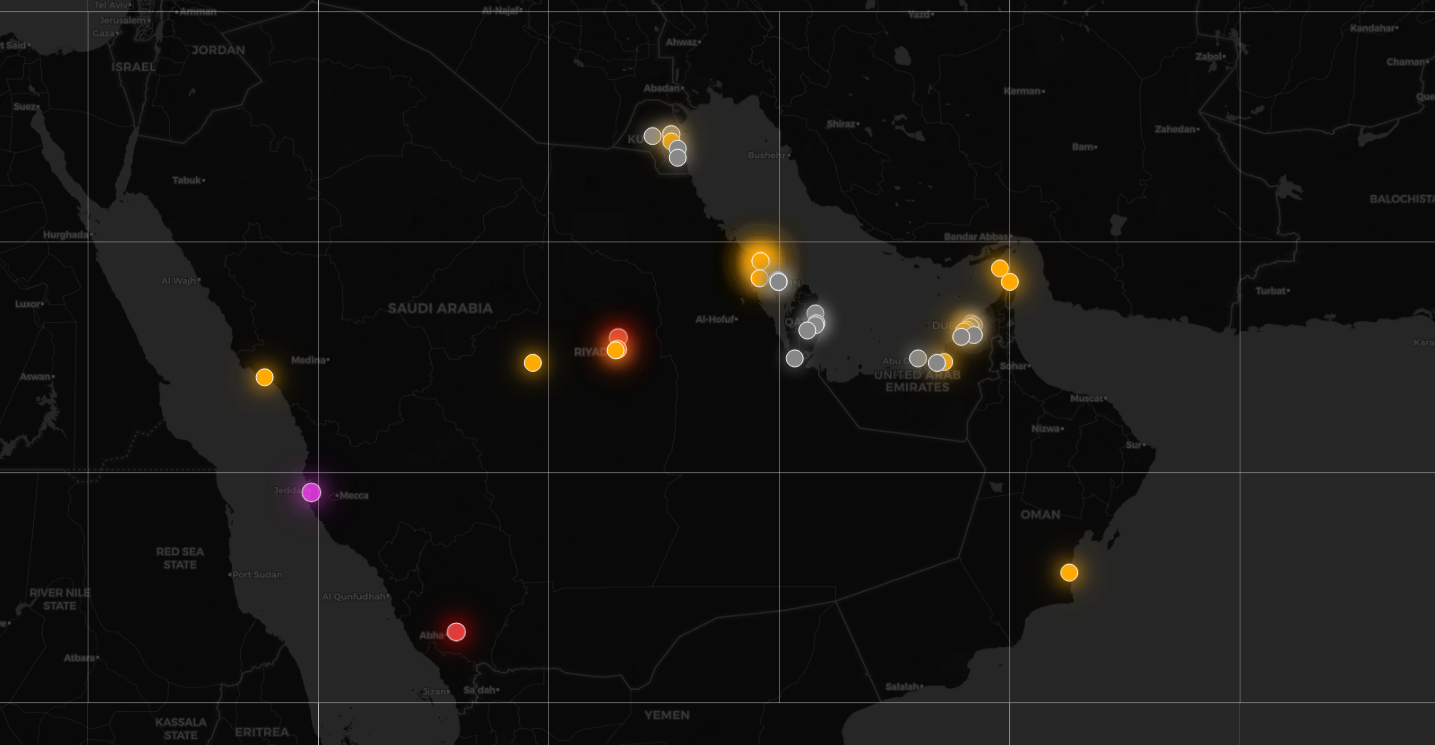
The Middle East has plunged deeper into crisis following a major U.S. and Israeli military offensive against Iran in late February 2026, and Iran’s sustained missile and drone retaliation across the region. This conflict — now affecting civilian travel, airspace safety, and migrant workers — has pushed governments to urgently consider evacuation and repatriation for their overseas citizens and workers.
Among those most directly impacted are millions of Overseas Filipino Workers (OFWs) and other migrants residing in Gulf states such as the United Arab Emirates (UAE), Qatar, Kuwait, Bahrain, Saudi Arabia, and Israel — nations where airspace closures and airport suspensions have disrupted normal life and endangered safety.
No Mass Repatriation Yet — What the DMW Says
The Philippines’ Department of Migrant Workers (DMW) has confirmed that a formal mass repatriation operation has not yet begun. Secretary Hans Leo Cacdac explained that such a move — effectively a mandatory evacuation — requires an Alert Level 4 designation, which so far has not been declared across the region.
Instead, the government is emphasizing targeted assistance and preparedness:
- Basic support for those seeking help, including temporary shelter, food, water and in-country relocation to safer areas.
- Deployment and travel advisories, with higher alert levels imposed on key Gulf states (UAE, Bahrain, Qatar, Kuwait, Israel).
- Exit and relocation points established for OFWs who choose to return home when conditions allow.
- Coordination with the Department of Foreign Affairs (DFA) and Philippine embassies to track requests and provide consular help.
This cautious approach reflects both logistical constraints — global airline suspensions and widespread airspace closures — and the volatile security situation that makes large-scale movements risky.
Requests for Help and Limited Movements
Though no large repatriation flights have been organized, small groups of Filipino workers and tourists have sought assistance:
- Around 80–100 Filipinos in Dubai have asked for repatriation support.
- Dozens of Filipinos in Israel have also requested help returning home.
- The DMW and the Overseas Workers Welfare Administration (OWWA) have already extended emergency aid (accommodation and transportation) to more than 100 stranded workers affected by flight cancellations.
Regional and International Responses
The Philippine efforts sit within broader global evacuation actions:
- Limited commercial repatriation flights have begun from hubs like Dubai and Abu Dhabi, carrying some stranded tourists and residents home as airlines partially resume operations.
- Countries such as Malaysia and Cyprus are reaching out to their nationals in the affected region and planning repatriation where feasible.
- Governments have issued travel and safety advisories, urging citizens to leave if possible or shelter in place until safer transit options open.
Challenges Ahead
Mass repatriation — of the sort that would involve coordinated airlifts or large scale evacuation corridors — remains impossible for now due to:
- Airspace closures and suspension of regular flights across the Gulf.
- High security risks from active military strikes and unpredictable missile and drone activity.
- Logistical hurdles, with many migrants displaced far from exits or safe travel routes.
Authorities continue to monitor the conflict’s trajectory, maintain emergency support channels, and lay groundwork for repatriation if and when the situation stabilizes enough to allow safe transport.


 then choose "Install".